

In recent years, the dark web has gained notoriety for its concealed marketplaces that facilitate trades far removed from the watchfulness of conventional online commerce. These darknet markets serve as a sanctuary for the exchange of items and offerings that often exist beyond the scope of legality, ranging from controlled substances and fake currencies to hacking tools and compromised data. darkmarket list of anonymity and the offer of untraceable transactions have drawn countless participants into these shadowy corners of the internet, creating a sophisticated ecosystem that thrives on both commerce and secrecy.
As we explore the most notorious hidden online markets, it becomes clear that these platforms are not merely digital trading platforms for the unlawful. They embody a sophisticated network of buyers and sellers who operate under a shroud of encryption, employing multiple methods to ensure their transactions remain obscured from law enforcement and intrusive observations. Understanding the dynamics of these markets reveals not just the character of their offerings, but also the advancements in technology and cultural challenges that underpin this clandestine world.
Grasping the Shadow Web
The dark web refers to a part of the internet that is not listed by traditional search engines. It exists on an encrypted network, accessible only through specialized software such as Tor. This layer of the internet allows users to operate anonymously, both in terms of browsing and interactions. While it is often associated with criminal activities, the dark web serves various legitimate functions, including safeguarding privacy for media professionals and advocates in authoritarian regimes.
Traveling through the dark web is notably distinct from browsing the clearnet. Users need to take safeguards to protect their identities, which often entails the use of virtual private networks and other protective techniques. This environment fosters a distinct culture where information is shared liberally among those seeking to dodge restriction or watchfulness. The secrecy offered by the dark web can lead to both favorable and detrimental outcomes, as it enables not only lawful discussions but also forbidden commerce.
In latest years, dark web markets have gained infamy for their role in the sale of unlawful goods and services, including drugs, weapons, and counterfeit products. While some markets have been dismantled by law enforcement, new ones regularly emerge to take their position. These markets often utilize cryptocurrencies for transactions to boost security. As such sites continue to transform, they continue to be a significant piece of the dark web landscape, luring interest from both interested parties and authorities seeking to comprehend this hidden realm.
The Emergence of Notorious Darknet Markets
The emergence of darknet markets can be traced back to the early 2010s, with the debut of Silk Road, the foremost and most infamous online marketplace functioning on the dark web. Silk Road’s groundbreaking model allowed users to acquire and offer a variety of forbidden goods and services, primarily drugs, using cryptocurrency to ensure anonymity. This groundbreaking platform not only changed the online drug trade but also set the stage for a variety of other markets that would come next, leverage on the demand for private transactions.
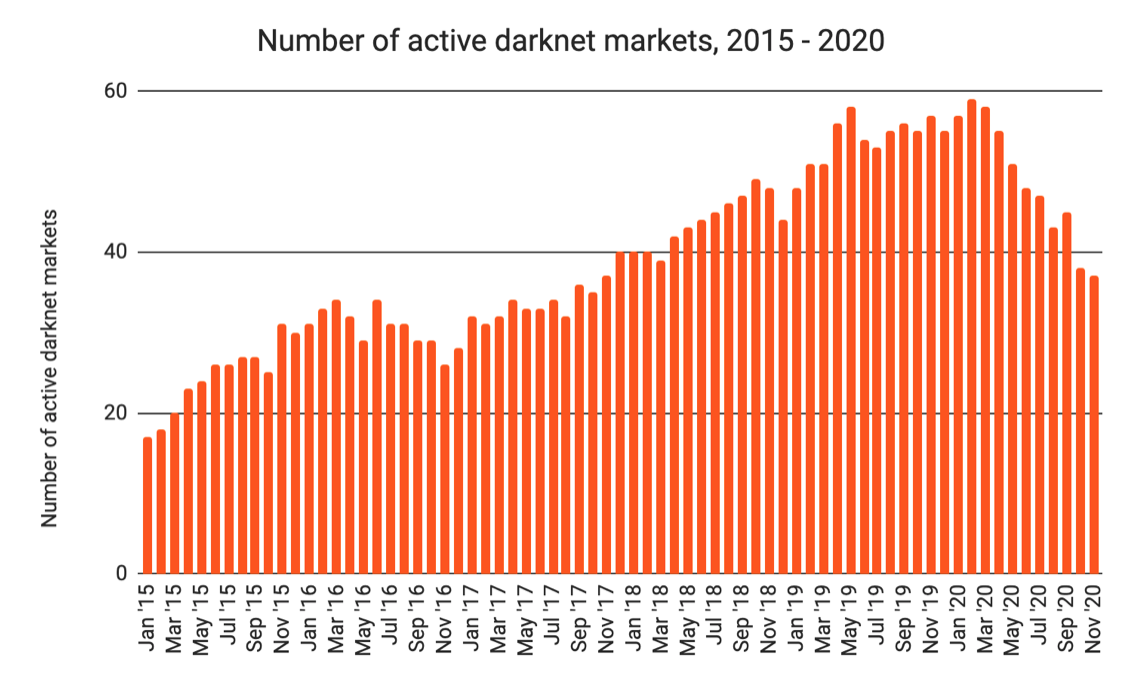
As law enforcement agencies intensified their efforts to disable these clandestine platforms, new darknet markets quickly emerged to occupy the void left by their ancestors. Each new market aimed to refine on the concept by incorporating enhanced privacy measures, user-friendly interfaces, and multiple product offerings. Markets such as Market Alpha and Dream Market became well-known entities within the underground community, attracting countless users seeking the unfettered access to illegal goods that traditional markets could not supply.
The resilience of these darknet markets emphasizes a growing subculture that cherishes privacy and anonymity in the cyber age. Despite constant threats from law enforcement and the natural dangers of engaging in illegal activities, the appetite for darknet services has only grown. This tenacity fuels the continuous evolution of the dark web, making it a intriguing cyberspace hotspot that rivals, and often outwits, traditional law enforcement efforts.

Law enforcement agencies across the globe have become increasingly adept at maneuvering through the complexities of the hidden internet to combat illegal activities. Efforts aiming at infamous dark web markets are intensifying, resulting in significant arrests and the dismantling of key platforms. These efforts underscore the resolve of authorities to dismantle networks that facilitate everything from drug trafficking to cybercrime, demonstrating that anonymity is not an unbreakable shield.
A significant case of a successful crackdown was the seizure of Silk Road in 2013, which established a benchmark for future operations. Following this collapse, numerous other dark web markets faced similar fates, as law enforcement employed cutting-edge technological tools and intelligence-sharing collaborations. These crackdowns not only interrupted the operations of these markets but also function as a deterrent, proving that engaging in illicit activities on the dark web carries serious dangers.
Yet, the dark web is remarkably resilient, with new markets regularly surfacing to fill the void left by those taken down. Criminals continue to innovate, using sophisticated methods to elude detection. As law enforcement adapts to these changes, an ongoing cat-and-mouse game ensues, underscoring the challenge of regulating the dark web while maintaining privacy for legitimate users. The battle against dark web crime is ongoing, with authorities determined to staying one step ahead in this complex and evolving landscape.